Hey, I'mMaruf
CS & Math student (21).
Based in Waterloo, Canada's tech hub (not the battlefield).
A curious sort, muddling through software, systems, and sundry pursuits.
Open to collaborations and the occasional chat.
Prefer the command line? Explore the terminal version

Tools of the trade
- C++
- Zig
- TypeScript
- React
- Golang
- Node.js
- PostgreSQL
- Docker
- C
GitHub, of late
View ProfileSelected work
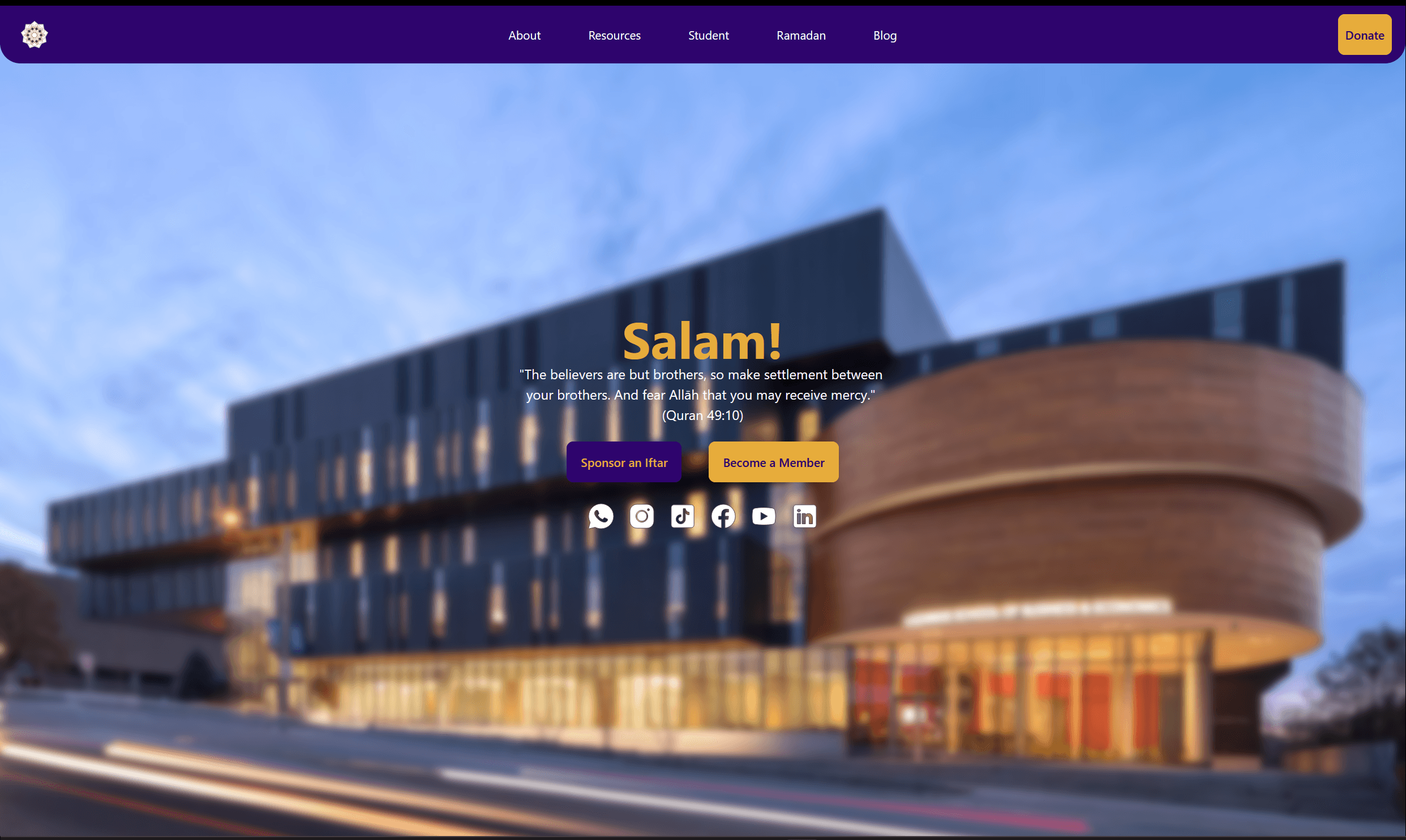
WLU MSA Website
A central hub for WLU MSA events, announcements, member resources, and payments, serving 1,500+ users.
Built with Next.js, Payload CMS, PostgreSQL, and Stripe, it streamlined event registration, content publishing, and donation workflows while improving reliability, SEO, and page load times from 1.8s to 1.2-1.3s for a smoother member experience.
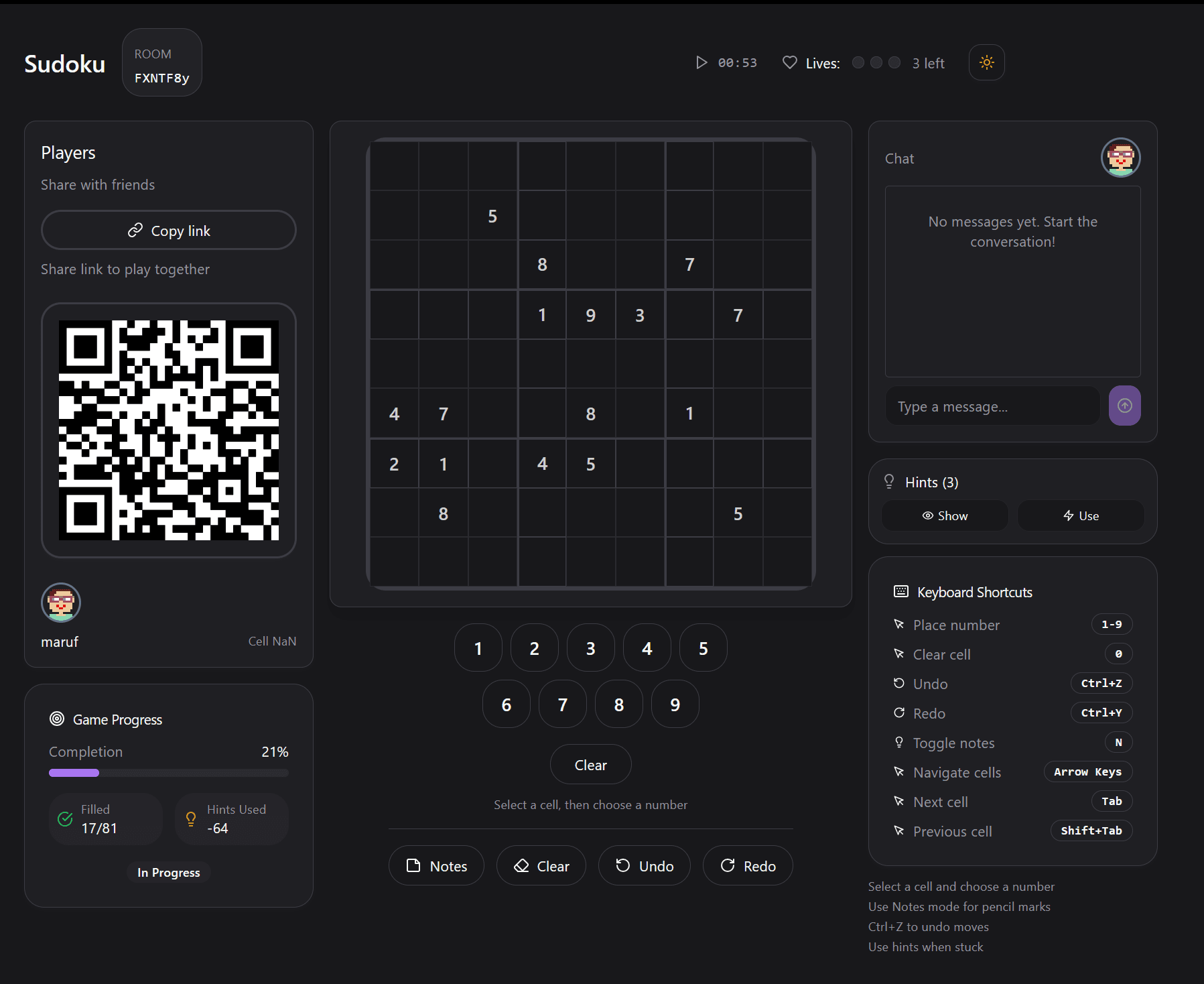
ThinkFast Sudoku
A real-time multiplayer Sudoku platform where players create a room, join instantly, and solve the same puzzle together in the browser.
Built with Next.js and Firebase Realtime Database, it uses sub-100ms synchronization and a custom 800+ LOC backtracking solver to generate valid boards, enforce constraints, and support real-time validation across players.
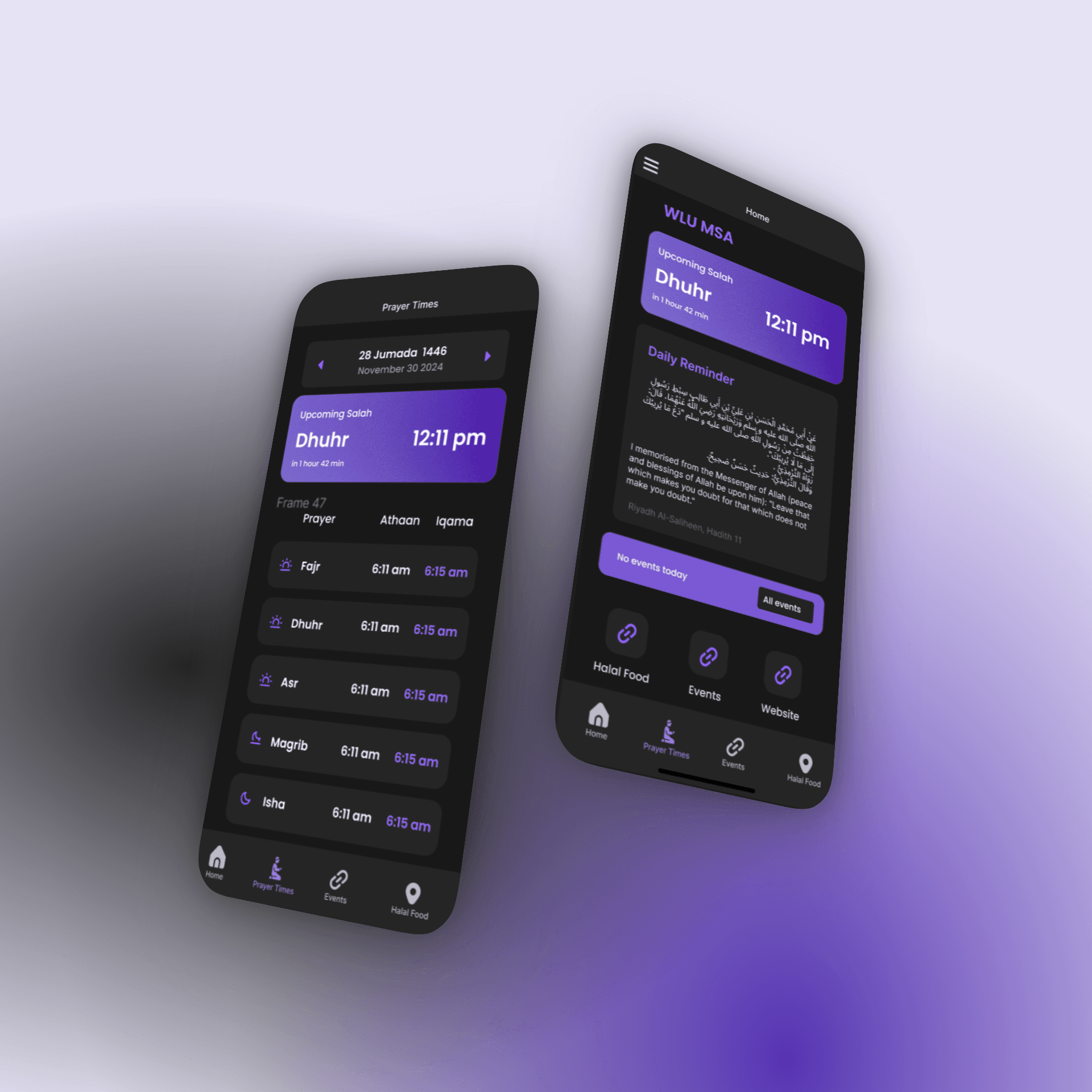
MSA App
A mobile app for staying connected to MSA updates, events, and community tools without the friction of a mobile browser.
Built with React Native, Expo, and Supabase, it delivers announcements, event details, and member-facing content in a streamlined mobile experience designed for quick access on the go.
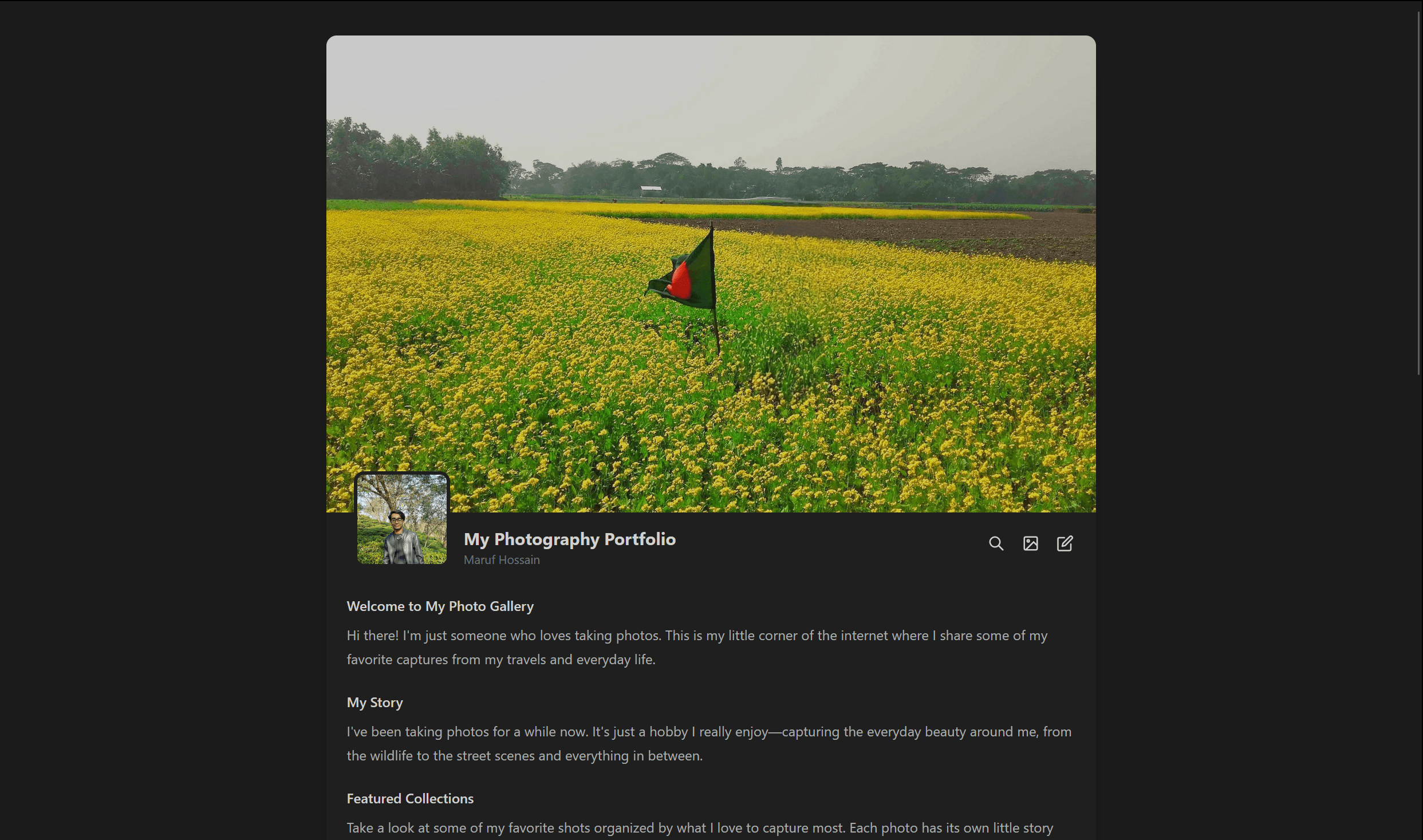
Photography Portfolio
A photography gallery for wildlife, street, and everyday shots, designed around speed, sharp image delivery, and a focused browsing experience.
Built with Eleventy and Sharp, it uses optimized WebP generation and PWA support to keep image-heavy pages fast and responsive.
Out and about


President
Leading MSA strategy and execution across events, operations, and team coordination to strengthen member engagement and campus impact.
Operations
Maintained a Next.js platform for ~2,000 members, integrating Payload CMS, PostgreSQL, and Stripe to improve reliability, SEO, and club operations.
- Managed wlumsa.org as the central hub for events, announcements, and resources.
- Tuned queries and introduced caching, reducing PostgreSQL load by ~70% and improving page speed.
- Improved SEO and donation flows, contributing to ~2x traffic growth and ~10% higher donations.

VP Internal
Oversaw internal operations, participant communications, and team coordination, helping ensure successful planning and execution of CaseHacks events.

VP Operations
Overseeing match logistics, scheduling, and event operations for competitive and recreational cricket events.
VP Marketing
Led digital marketing and social media strategy to increase campus engagement and event visibility.

Distribution Lead
Coordinated literature distribution initiatives and supported outreach activities across campus.

VP Finance
Managing club budgeting, reimbursements, and financial planning for student-led events.
A few notes
All WritingsBehind This Site
A look at the ideas, tools, and small decisions behind my portfolio, from file-based MDX to the details I keep refining.
What a CORS Bug Taught Me About Debugging
A production CORS issue forced me to slow down, isolate the layers, and debug the system instead of guessing at headers.
What Cricket Taught Me About System Design
A close cricket match showed me how clear roles, balanced workloads, resilience, and timely adjustments shape strong teams. It also helped me recognize those same patterns in reliable software systems.
Building a Halal Food Directory for WLU MSA
A short case study on building a searchable halal food directory for Laurier students, from messy spreadsheet data to a maintained community resource.